What this year’s warning letters teach labs about records
FDA keeps citing the same laboratory failures in 2026. Most of them start with how — and when — the work gets written down.
An FDA investigator looks into a shred bin in a quality-control lab and finds original instrument printouts — a pH reading, a balance weight — alongside signed data-review checklists. That scene comes from a warning letter FDA posted on September 29, and it isn’t an outlier. Other letters this year describe contract testing staff keeping procedures, results and deviations in unofficial personal diaries, and electronic test data with no controls to stop it being deleted or overwritten.
The details are uncomfortable, but they’re useful. They show where lab records break down in practice, and what inspectors expect to see instead.
Four patterns from 2026
- Records kept off the books. Personal notebooks held observations and method changes that never reached the official record.
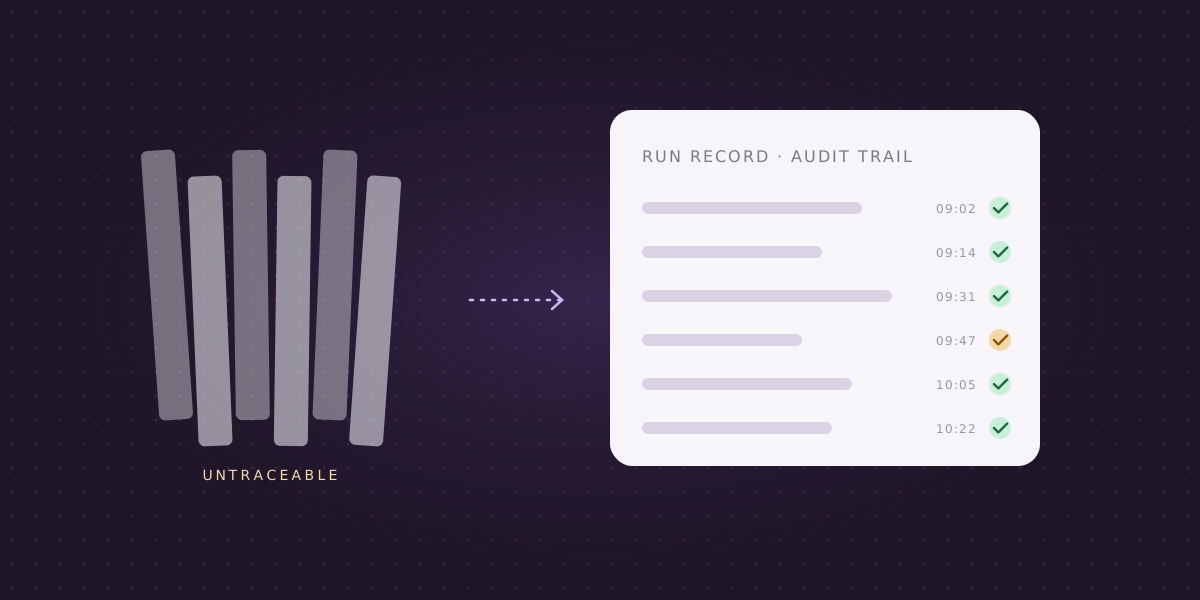
- Work that can’t be traced. Analysts ran thousands of unexplained chromatography injections over 30 months, some of which could not be linked to any sample.
- Reviewing copies, not originals. Reviewers signed off on notebooks after checking photocopies rather than the source data.
- Shared logins. One analyst used a colleague’s credentials to run calibrations and sample tests, so the work couldn’t be attributed to the person who did it.
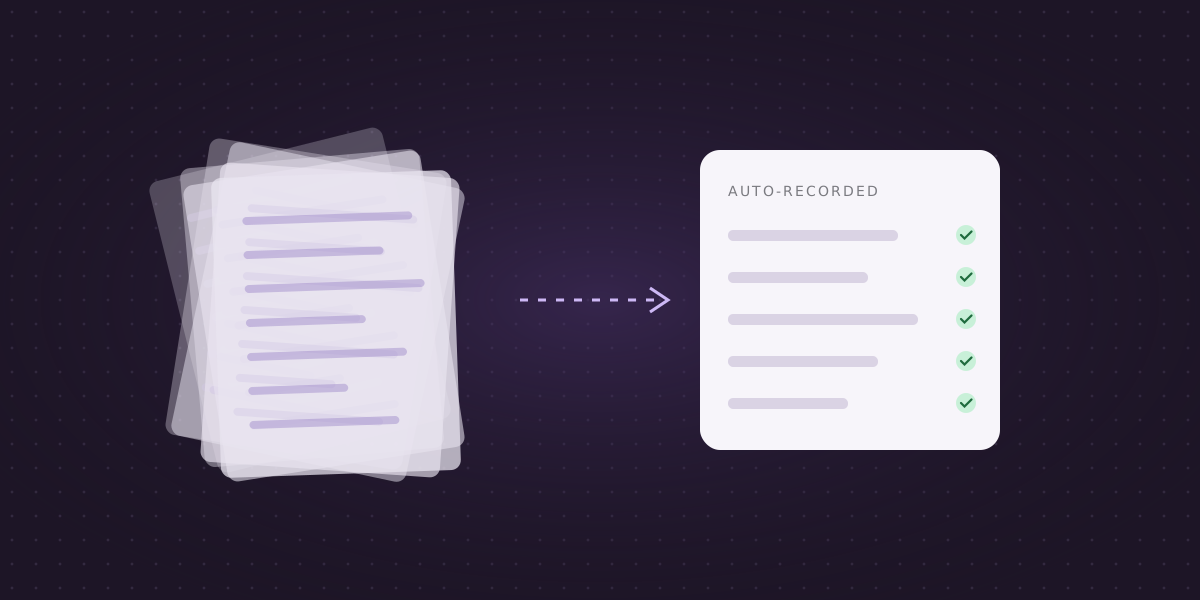
Each failure looks different, but they share a root cause. The official record was assembled after the fact, by hand, from material that lived somewhere else.
What inspectors measure against
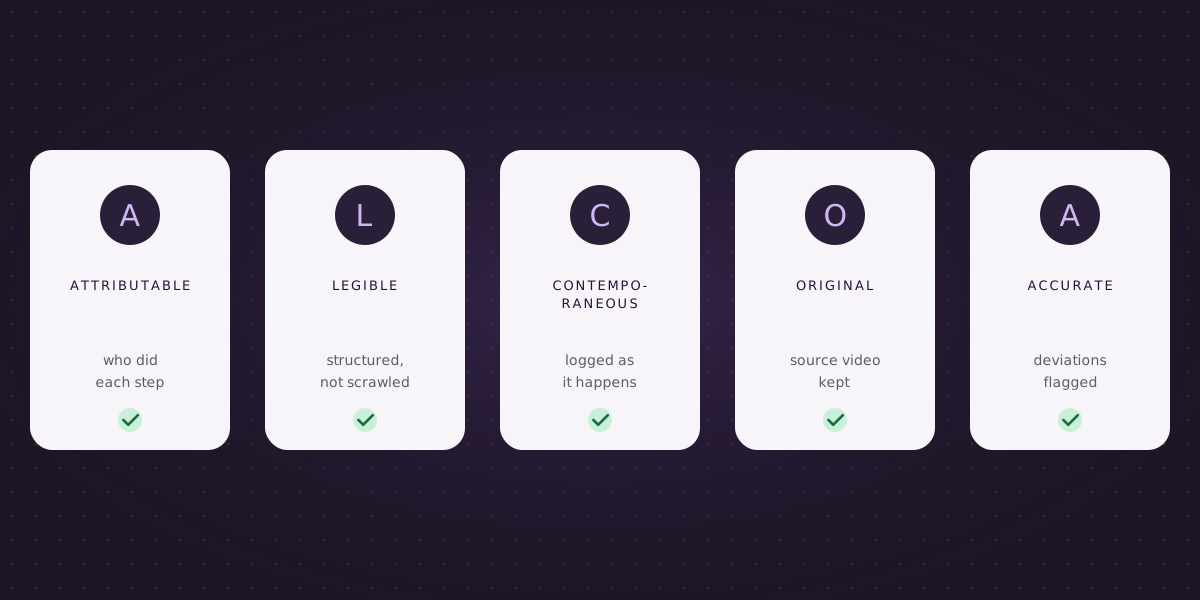
FDA’s yardstick is the familiar one: data that is attributable, legible, contemporaneously recorded, original or a true copy, and accurate. For laboratory work, the drug regulations add a blunt requirement — records must hold complete data from every test needed to show compliance. Several letters this year cite that clause, and the September letter asked for a company-wide plan to implement ALCOA records throughout the operation.
Why sponsors should care
When a contract lab’s data fails, the problem doesn’t stay at the lab. FDA reminded one contract testing laboratory that its customers rely on the integrity of its data to make decisions about drug quality. The remediation is heavy, too: letters ask for independent investigations, interviews with current and former staff, and retrospective reviews of years of records.
For a sponsor, that can mean delayed batches, repeated studies and awkward questions in a submission. For a CRO, it means losing trust that took years to build.
A record written at the end of the day is a reconstruction. Inspectors can tell.
What good looks like at the bench
The answer isn’t more paperwork. It’s moving the record to the moment the work happens, so there’s nothing to reconstruct later:
- Capture each step as it’s done, with the time, the person and the instrument, rather than transcribing at the end of a shift.
- Keep deviations in the record, with how they were resolved — not in a side notebook.
- Keep the original, whether it’s an instrument file or video of a critical step, and review against it.
- Make changes visible, so a reviewer can see what changed, when, and who changed it.
- Map results to samples automatically, so every number traces back to a run.
Where Augmentiv fits
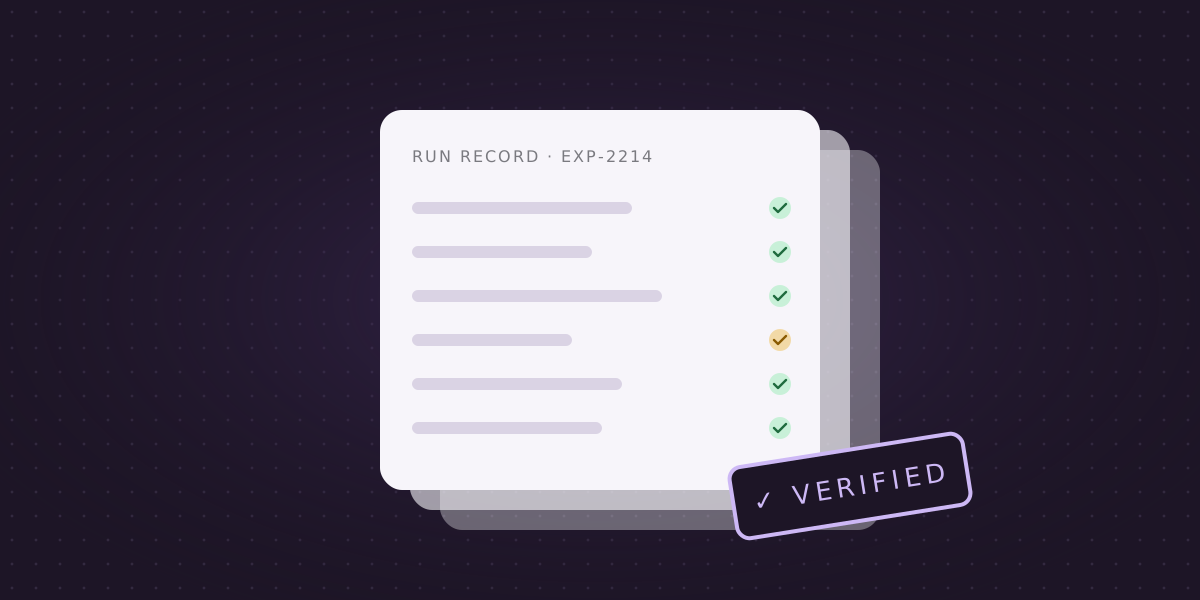
This is the gap we built Augmentiv to close. Guidance on a tablet takes the operator through each protocol step, an off-the-shelf camera records the bench, and a verified run record is produced automatically: time-stamped steps, deviations and how they were resolved, video of critical steps, instruments and materials, and data mapped to samples. Cameras frame the bench, not faces, and footage is never used to monitor or rank individual operators. (More on how we handle security.)
No tool will fix a culture that tolerates shred bins. But removing the gap between the work and the record removes the place where most of these findings begin. See how verification works →
- U.S. Food and Drug Administration. Warning letter, MARCS-CMS 728790 (Sep 18, 2026).
- U.S. Food and Drug Administration. Warning letter to a contract testing laboratory, MARCS-CMS 720463 (Mar 3, 2026).
- U.S. Food and Drug Administration. Warning letter, MARCS-CMS 730801 (Aug 18, 2026).
- U.S. Food and Drug Administration. Warning letter, MARCS-CMS 724650 (Jun 15, 2026).
- U.S. Food and Drug Administration. Data Integrity and Compliance With Drug CGMP: Questions and Answers (2018).
- Code of Federal Regulations. 21 CFR 211.194, Laboratory records.